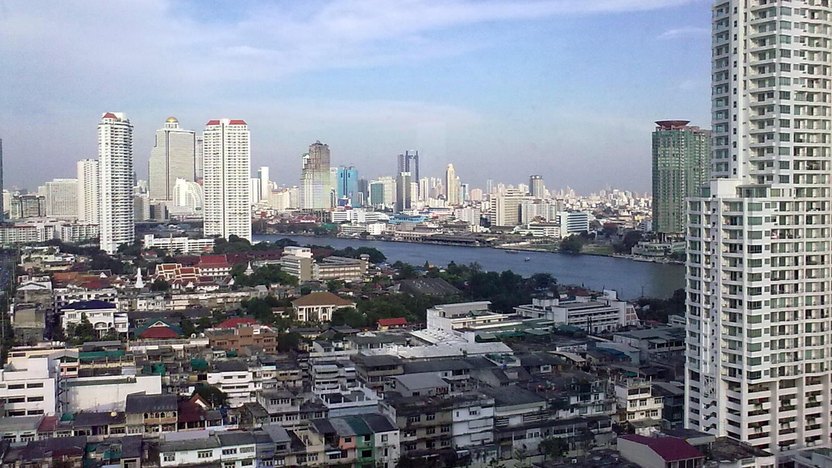
Where to Stay in Bangkok 2026: decide on the BTS first, then pick your area
Bangkok splits into 3 areas. For shopping, stay at Siam: 4 large malls sit within 2 BTS stops. For restaurants and easy interchanges, choose Sukhumvit, where Asok station connects to the MRT in 1 stop. For river views, take the riverside, where most hotels run a free shuttle boat about every 15 minutes; confirm the timetable with your hotel.
Three judgements decide the area: whether the BTS will be your main transport, what your trip is built around, and how the property scores across at least 2 booking platforms. Bangkok's peaks run 07:30 to 09:30 and 17:00 to 19:30, when road traffic is slowest, so allow 60 minutes to cross town. This guide groups hotels into luxury, mid-range, budget and distinctive stays.
BTS distances and the rate gap between the 3 areas
Siam is the only interchange between the BTS Sukhumvit and Silom lines, with 4 malls inside a 10-minute walk. Sukhumvit's Asok station connects to the MRT Blue Line and sits about 8 minutes from Siam, with a 33 baht fare. The riverside is entered at Saphan Taksin, then 5 to 10 minutes by shuttle boat; confirm fares on the official BTS site. Comparable rooms run about 15% cheaper on the river but add 20 to 25 minutes per trip.
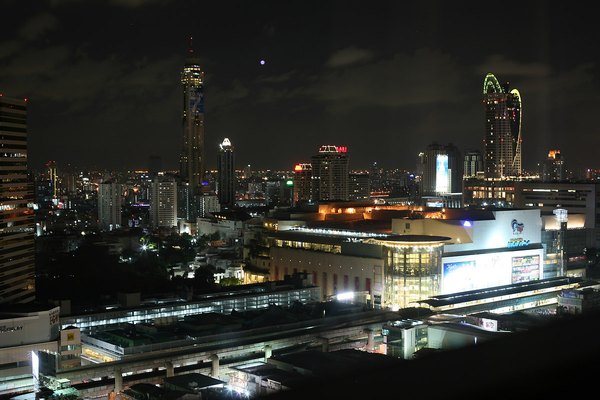
High and rainy seasons: rates run about 30% higher from November to February
November to February is the cool season and the peak, with daily highs around 32°C, little rain and rates about 30% above the May to October rainy season. Lunar New Year and Christmas run higher still, and popular areas tighten about 6 weeks out. Rainy-season storms cluster between 15:00 and 18:00 and rates fall noticeably. Confirm live rates on your booking platform.
Luxury hotels in Bangkok 2026: Siam and the riverside
Bangkok's luxury stock divides into 2 types: city hotels wired directly into the malls, and resort-style properties on the Chao Phraya. The first prioritises interchanges and shopping routes with malls about 5 minutes on foot; the second prioritises river views and pools, often on grounds of 2 hectares or more. Transfers, breakfast and lounge access are frequently excluded from the base rate, so confirm each item before booking.
Siam area: city five-stars wired into the malls
Luxury hotels between Siam and Chit Lom connect to the malls by skybridge, so you can walk 5 minutes without descending to street level — a clear advantage in the rainy season. Most have rooftop pools, typically above the 25th floor, and executive lounges.
The downside is price, often double a comparable mid-range room, plus traffic noise at night. Lounge access is usually limited to certain room types and breakfast is not always included, so confirm what the rate covers. Best for shopping-led trips of 3 nights or fewer.


Riverside: resort five-stars with a shuttle every 15 minutes
Riverside luxury hotels sit opposite Saphan Taksin station and run free shuttle boats about every 15 minutes, with last departures around 23:00. Grounds are larger than in the city, with pools typically 25 metres or longer and gardens reaching 2 hectares.
The trade-off is dependence on the boat: after the last run you need a taxi on a 25-minute detour at 150 to 250 baht. Shuttle frequency and last departure vary by hotel, so confirm at check-in. Best for honeymoons, families and stays of 4 nights or more.

Sathorn and Silom: the strongest business base
Sathorn and Silom form Bangkok's financial district, where the BTS Silom Line and the MRT meet at Sala Daeng and Si Lom, about 15 minutes from the Phaya Thai airport link station. Meeting facilities and executive floors are the widest here, and the airport link needs just 1 change.
The downside is weekends: dining options thin out and some malls and restaurants close by 20:00 on Sundays. Confirm hours with each venue. Best for business trips and early departures.
Mid-range hotels in Bangkok: Asok to Phrom Phong
Mid-range stock concentrates along Sukhumvit between Asok and Ekkamai — 4 stations covering about 6 minutes. This stretch has the densest restaurants, often 50 or more on a single block, and 24-hour convenience stores. The ranges below are typical; confirm live rates on your booking platform.
Asok: where the BTS and MRT cross
Asok is the interchange between the BTS Sukhumvit Line and the MRT Blue Line, with 2 large malls inside a 5-minute walk, about 8 minutes to Siam and about 10 minutes to the Makkasan airport link station.
The downside is the Asok Montri junction, which jams at peak, with a single crossing often taking 3 to 5 minutes, and roadside rooms carrying noise. The effect depends on floor and orientation, so check the room position when booking. Best for first-time visitors travelling by BTS.

Phrom Phong: the Japanese quarter, good for families
Phrom Phong anchors Bangkok's Japanese quarter, with a large mall attached to the station, the city's densest Japanese dining and 2 parks suited to children. Rates typically run about 10% below Asok.
The downside is nightlife: the area quiets after 22:00, and a late meal means 1 stop back to Asok. Mall hours generally run 10:00 to 22:00; confirm with each venue. Best for families and travellers who prefer Japanese food.
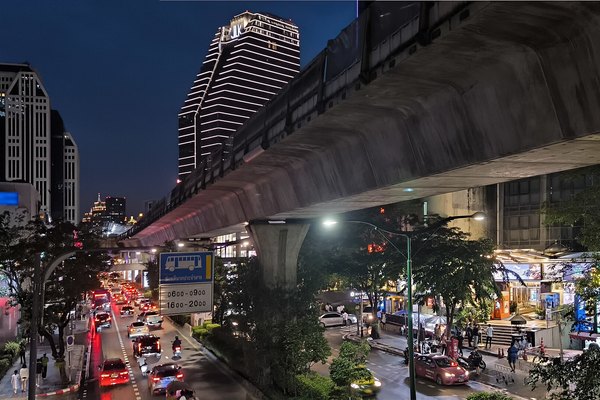
Ratchathewi: 1 stop from Siam, the usual fallback
Ratchathewi is 1 stop and about 2 minutes from Siam, and 1 stop from the Phaya Thai airport link, making it the standard fallback when Siam sells out. Comparable rooms often run about 20% below Siam.
The downside is retail: the area is mostly residential with small restaurants, and dinner options number around 20. Confirm hours with each venue. Best for travellers on a budget who still want to be near Siam.
Ekkamai and Thong Lo: independent dining and cafés
Ekkamai and Thong Lo are adjacent stations and hold Bangkok's densest independent dining and café scene, with chains making up only about 30% of venues. They sit about 4 minutes from Asok with rates often about 15% lower.
The downside is the sois: reaching a hotel from the station often means a walk of over 10 minutes or a motorbike taxi at about 30 baht. The lanes flood in the rainy season, so confirm the actual walking distance before booking. Best for repeat visitors who travel to eat.
Budget stays in Bangkok 2026
Budget stock clusters around Ratchathewi, Phaya Thai and Ratchada — 3 areas in all — plus Khao San Road. The ranges below are typical and the gap between the cool and rainy seasons reaches 30%, so confirm live rates on your booking platform.
Phaya Thai: the airport link terminus
Phaya Thai is the city terminus of the Airport Rail Link, about 26 minutes and 45 baht to Suvarnabhumi, and connects to the BTS Sukhumvit Line. Budget hotels and hostels are plentiful.
The downside is the setting: mostly offices and housing, with about 25 places to eat, most closing by 21:00. The first train leaves at 05:30 and the last at 24:00; confirm fares and frequencies on the official site. Best for early or late flights.
Ratchada and the MRT: the cheapest stretch in the city
The MRT Blue Line between Huai Khwang and Lat Phrao covers 3 stations and is the cheapest central stretch, with comparable rooms often 30% below Sukhumvit. The area has 2 large night markets, open until 24:00, and 24-hour dining.
The downside is that it is off the BTS network: reaching Siam means changing at Sukhumvit station for a total of about 25 minutes, with MRT fares of 17 to 43 baht. Confirm fares on the official site. Best for budget-first trips without a tight schedule.
Khao San Road: closest to the Grand Palace
Khao San sits about 10 minutes by road from the Grand Palace, making it the closest budget area to the old town's 5 major temple sights, with the highest density of hostels. The street was rebuilt in 2016 with better pavements and drainage.
The downside is transport and noise: it is off both the BTS and MRT, so you rely on taxis or the river boat at 15 to 30 baht with departures about every 20 minutes, and music carries past 00:00. Confirm boat timetables at the pier. Best for old-town itineraries.
Distinctive stays: river views, serviced apartments and heritage conversions
These split into 3 types: river-view rooms, serviced apartments for longer stays, and small heritage conversions. All 3 vary widely in what the rate includes, so confirm the inclusions item by item before booking.
River-view rooms: the floor decides the view
On riverside properties, unobstructed river views generally start above the 8th floor, and the gap between low and high floors in the same building reaches 25%. West-facing rooms take the strongest light between 17:00 and 18:30, which can raise room temperature by 2 to 3°C.
A room named "River View" does not guarantee a clear outlook; below the 7th floor the opposite bank blocks roughly 30% of it. The view depends on floor and orientation, so confirm the floor band when booking. Best for photography and rest.
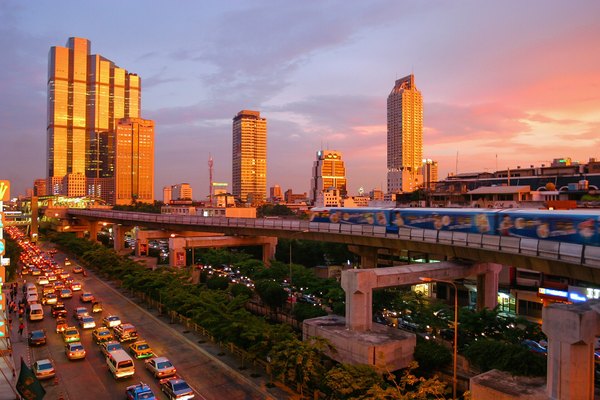
Serviced apartments: better value from 7 nights
Serviced apartments usually include a kitchen and washing machine, with discounts of 15 to 25% from 7 nights and monthly rates beyond 30 days. Rooms typically run 45 to 60 square metres, about 10 square metres larger than hotels at the same price.
The downside is housekeeping, often twice weekly rather than daily, and breakfast is usually extra at about 350 baht. Discount thresholds and housekeeping frequency vary by property, so confirm before booking. Best for long stays and families.
Heritage conversions: few rooms, book early
Heritage conversions cluster in the old town and on the west bank, usually with fewer than 20 rooms, so high season needs about 6 weeks' notice. Most keep original timber and courtyards, and soundproofing is weaker than in new builds.
The downside is access: buildings of 3 floors or fewer often have no lift, luggage is carried by hand, and some accept guests aged 12 and over only. Confirm age limits and facilities with each property. Best for repeat visitors who value atmosphere.
Before you book: timing, transfers and deposits
Four things cause the most trouble: booking timing, airport transfer costs, check-in deposits and room orientation. The figures below are typical; confirm the terms with the hotel and platform.
Timing: book 6 weeks ahead from November to February
Rooms tighten most from November to February, with popular areas filling about 6 weeks out and Lunar New Year and Christmas rates reaching double the rainy-season level. From May to October rates fall about 30%, though storms cluster between 15:00 and 18:00. Confirm live rates on your booking platform.
Airport transfers: 1,200 to 1,800 baht one way
Five-star hotel transfers run about 1,200 to 1,800 baht one way, against 45 baht and 26 minutes on the Airport Rail Link from Phaya Thai. Free transfers are rare and usually limited to specific room types or stays of 3 nights or more, so confirm the conditions before booking.
Deposits: typically 2,000 to 5,000 baht
Bangkok hotels usually take a deposit at check-in, commonly 2,000 to 5,000 baht by card pre-authorisation or cash, released 7 to 14 working days after checkout. Amounts and release times vary by property, so confirm at booking.
Crossing town: allow 60 minutes at peak
Bangkok's peaks run 07:30 to 09:30 and 17:00 to 19:30, when the same journey can take twice as long as off-peak. The BTS and MRT are unaffected and run every 3 to 6 minutes, so use rail where possible and allow 60 minutes to cross town. Actual journey times vary with traffic on the day.
FAQ
Q. When is Bangkok's hotel high season?
November to February is the cool season and the peak, with rates about 30% above the May to October rainy season, and steeper rises over Lunar New Year and Christmas. Book about 6 weeks ahead in high season and confirm live rates on your booking platform.
Q. Where should I stay if I am not using the BTS?
If you travel mostly by taxi or ride-hailing, the riverside or Sathorn saves time, though main roads still jam at peak. Bangkok's peaks run 07:30 to 09:30 and 17:00 to 19:30, so allow 60 minutes to cross town.
Q. Do Bangkok hotels offer free airport transfers?
Five-star hotels usually offer paid transfers at about 1,200 to 1,800 baht one way. Free transfers are rare and normally tied to specific room types or minimum stays, so confirm what is included before booking.
Q. What is the difference between Siam and Sukhumvit?
Siam station is the only BTS interchange between the two lines, with 4 large malls in walking distance, so it suits shopping trips. Sukhumvit's Asok station connects to the MRT and has denser dining and nightlife. The two are about 8 minutes apart by BTS.
Q. Is a hotel pool worth prioritising in Bangkok?
Daily highs stay above 32°C year-round so pools see heavy use, but some open only 07:00 to 20:00 and close during rainy-season storms. Confirm hours and maintenance closures with the hotel.
Q. What if my preferred area is sold out?
Look along the BTS extension: Phrom Phong to Ekkamai covers 4 stations in about 6 minutes and rates often run below Asok. Ratchathewi is 1 stop from Siam and is the usual fallback.